Statement of Need
South Africa's education and social crisis is not a distant problem. Here is what the data says — and why GCC exists.
The challenges do not begin at 16.
They begin much earlier.
In the Deep South of Cape Town, young people face measurable pressure long before they reach the senior grades. In overcrowded classrooms where one teacher carries forty learners. In homes under economic strain. In communities where gang presence is normalised and the line between resistance and recruitment runs thin.
By the time a learner disengages, that disengagement has usually been building quietly for years. What surfaces as dropout, gang involvement, early pregnancy or unemployment reflects a trajectory set long before the final year of school.
These outcomes are not inevitable. They are the result of sustained, compounding pressure on young people and the adults trying to guide them — without adequate structure, support or intervention.
South Africa does not suffer from a shortage of good intentions. It suffers from a shortage of structured intervention.
These figures reflect structural gaps in South Africa's education system. They are not abstract — they represent measurable instability in literacy, retention and access that plays out in classrooms every day.
Sources: PIRLS 2021; Department of Basic Education (DBE) 2022, 2023; UNESCO Institute for Statistics; UNICEF 2022; Statistics South Africa Census 2022.
Gang recruitment, unemployment and early pregnancy are not distant risks. They are present realities in the communities where GCC works. The window for intervention is narrow — and it opens early.
Sources: Statistics South Africa Quarterly Labour Force Survey (Q1 2025); WHO Adolescent Pregnancy Fact Sheet; Stats SA Census 2022; Institute for Security Studies (ISS Africa); Commission for Gender Equality (CGE) 2024; Hesselink, A.E. & Bougard, N.B. (2020), Risk Factors Associated with Youth Gang Involvement.
We are not here for visibility.
We are here to change trajectories.
South Africa is not short on goodwill. Food drives, blanket distributions and emergency support meet urgent needs — and they matter. But relief alone does not resolve the structural gaps that continue to shape young people's futures.
Disengagement is cumulative. So is intervention. When structure, standards and practical opportunity are introduced consistently, trajectory changes. Not immediately. Over time.
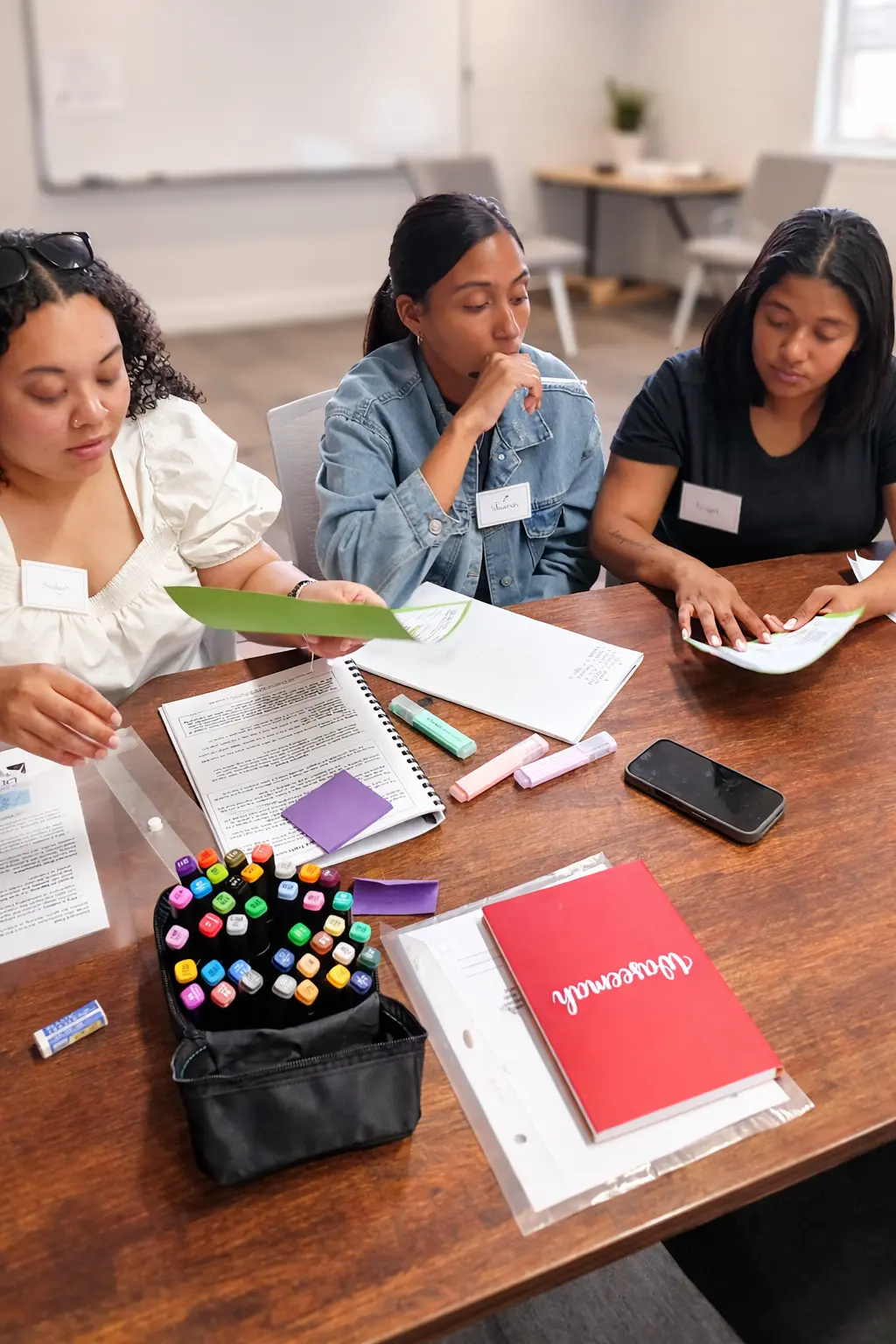

GCC builds the structure that holds young people steady while reinforcing the classrooms and communities around them. Mentorship, teacher development and economic pathways — not as isolated projects, but as one coordinated intervention architecture. Each pillar strengthens the others.
One life redirected can alter
an entire community.
The work is deliberate. The presence is long-term. The outcomes are measurable.

Our Story
GCC exists to change trajectory through structure, sustained, deliberate and designed to hold.
Read more
Our Mission
Our mission is not a statement on a wall. It is the standard we are held to every day.
Read more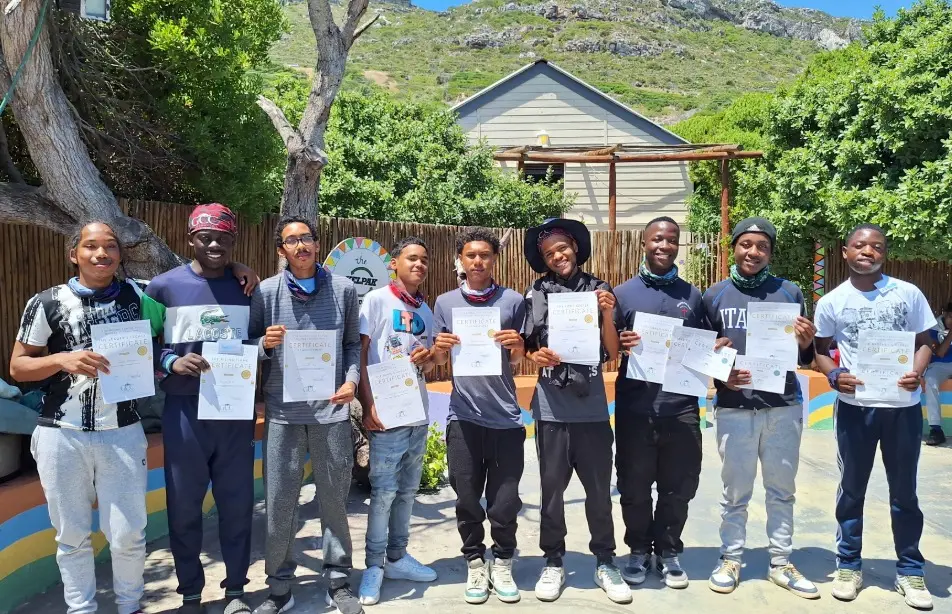
How We Work
An integrated model that reinforces young people, educators and communities simultaneously.
Read moreGet Involved
The window for intervention
is open now.
Whether you are a corporate partner, an individual donor or someone who wants to understand more about GCC's work, we are here to talk. Every contribution strengthens the structure that holds young people steady.

