High School Course
21st Century Teaching
A two-day workshop that changes how high school educators understand adolescent behaviour, identify learning differences and design classrooms where every learner can access rigorous education.
The question shifts from "Why is this student so difficult?" to "What is this behaviour telling me about what this young person needs?"

Every high school classroom contains adolescents whose brains are still under construction. Some carry hidden disabilities that have never been identified. Some are navigating executive function demands that outpace their development. Some have been labelled difficult, lazy or disengaged when the real story is far more specific.
This course gives educators the neuroscience, the identification tools and the practical strategies to respond to all of it — without lowering the standard for anyone.
The activities in this training are not theoretical. They put educators inside the experience of learning under adolescent brain conditions — pressure, incomplete development and emotional noise included. What comes out the other side is not a set of techniques. It is a fundamentally different way of seeing the students in front of them.
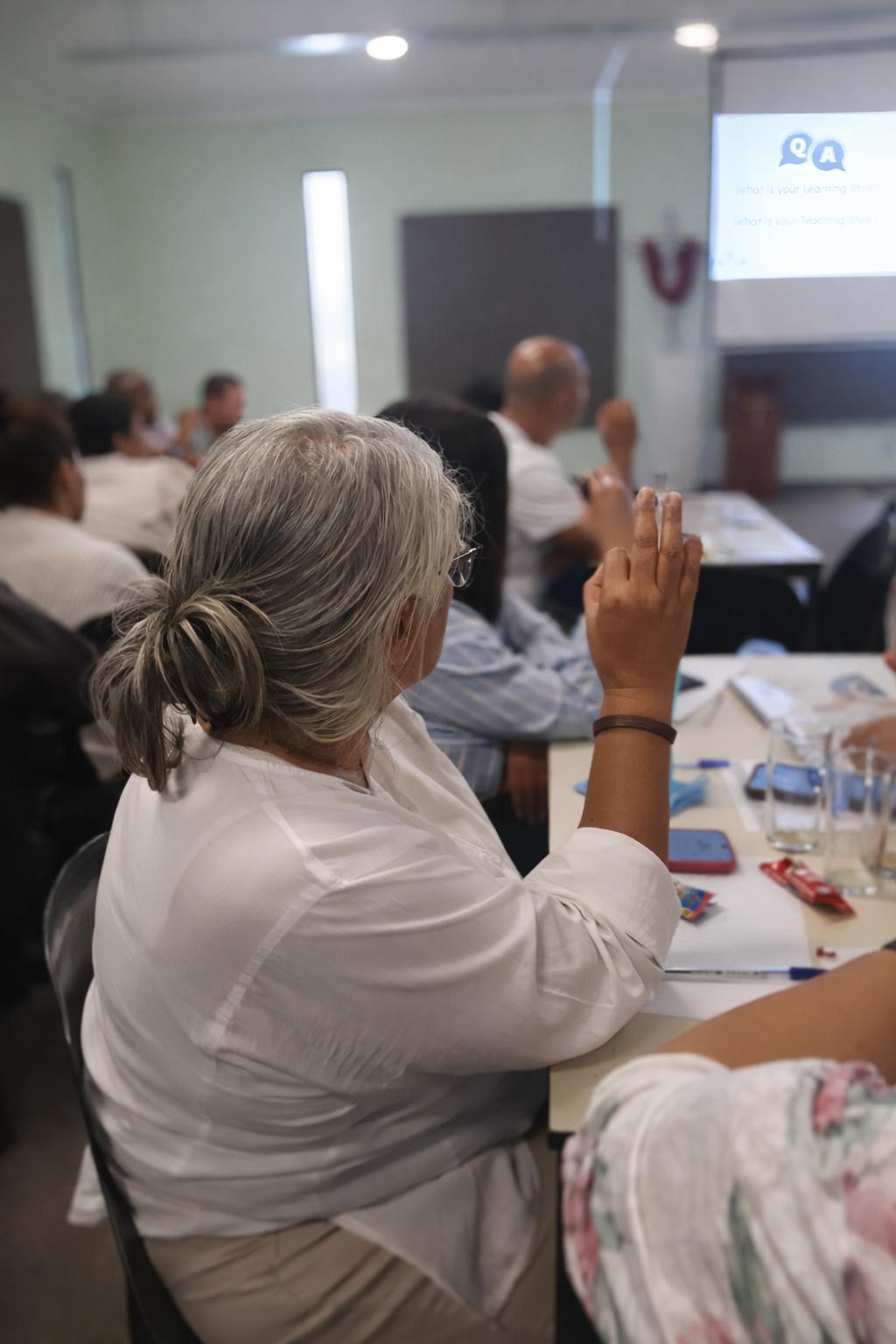


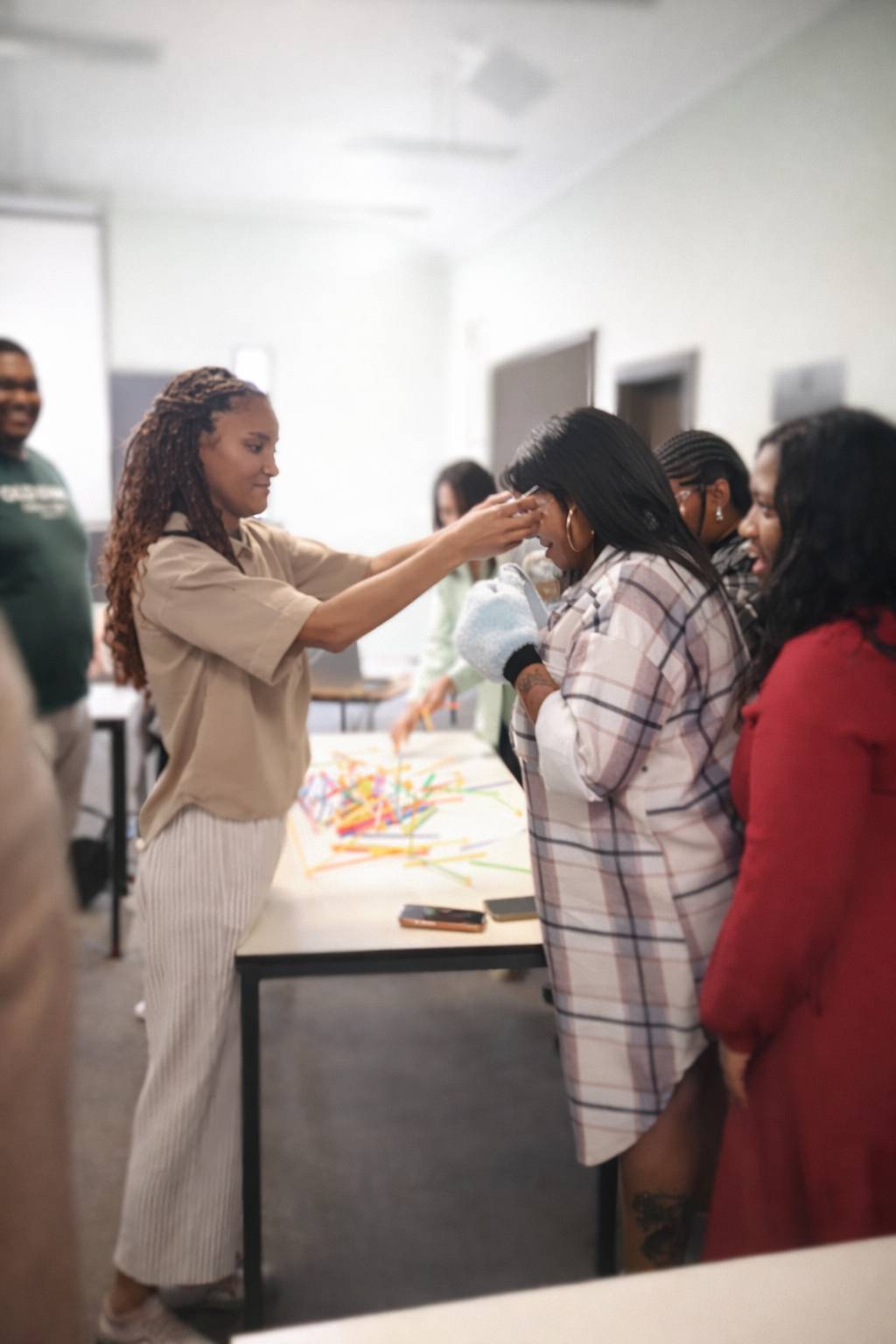
A guided exploration of what is actually happening neurologically between the ages of 12 and 18. By the time educators understand the prefrontal cortex is still under construction, the behaviour they have been taking personally starts to look completely different.
Educators complete a cognitive task while being subjected to the social and emotional conditions typical of adolescent experience — scrutiny, time pressure, ambiguity and the fear of public failure. The point lands before anyone has to explain it.
Working from real classroom scenarios, educators practise identifying the unmet need behind the visible behaviour. Withdrawal, aggression, clowning, refusal — each one is a signal. This activity builds the skill of reading it accurately rather than reacting to it.
Research consistently shows that adolescents learn better from educators they feel seen by. This session asks teachers to audit their own classroom relationships honestly — not to feel guilty, but to identify the specific, low-effort shifts that make a measurable difference to how students show up. For many educators, it is the most practically useful conversation of the two days.
Strategies for connecting curriculum content to adolescent identity, relevance and autonomy. Not as a concession to disengagement, but as a pedagogical approach grounded in how the developing brain assigns meaning and commits to effort.
By the end of day two, educators do not just understand adolescent behaviour differently. They respond to it differently. That is what changes what happens in a classroom.
Incredibly informative course that gave a glimpse into how the teenage brain functions.
I found the sessions to be very insightful. Also, it completely shifted my perception.
This workshop was genuinely eye-opening. Understanding how the adolescent brain works changed everything about how I see my students.
I honestly felt like someone truly understands what we are going through.
Loved the interaction and making self discoveries about myself and my profession.
One teacher who knows what to look for can change the trajectory of a child's entire school career.

Girls on Fire
The girls' pathway. Building self-respect, clarity and direction during decisive identity-forming years.
Learn more
Youth Mentorship
The full overview of GCC's youth mentorship pathway, the four-stage pipeline and how it fits the ecosystem.
Learn more
Teacher Development
While mentorship builds direction outside the classroom, teacher training builds stability inside it.
Learn moreBring This to Your School
Every high school has educators who are ready
to see their learners differently.
Partner with GCC to bring the High School course to your staff, or fund a cohort of educators from under-resourced schools across the community.

