Roots to Resilience
We are the Roots to Resilience.
A pathway for young men. Built on discipline, ownership and self-leadership. Delivered by mentors who understand this world from the inside.
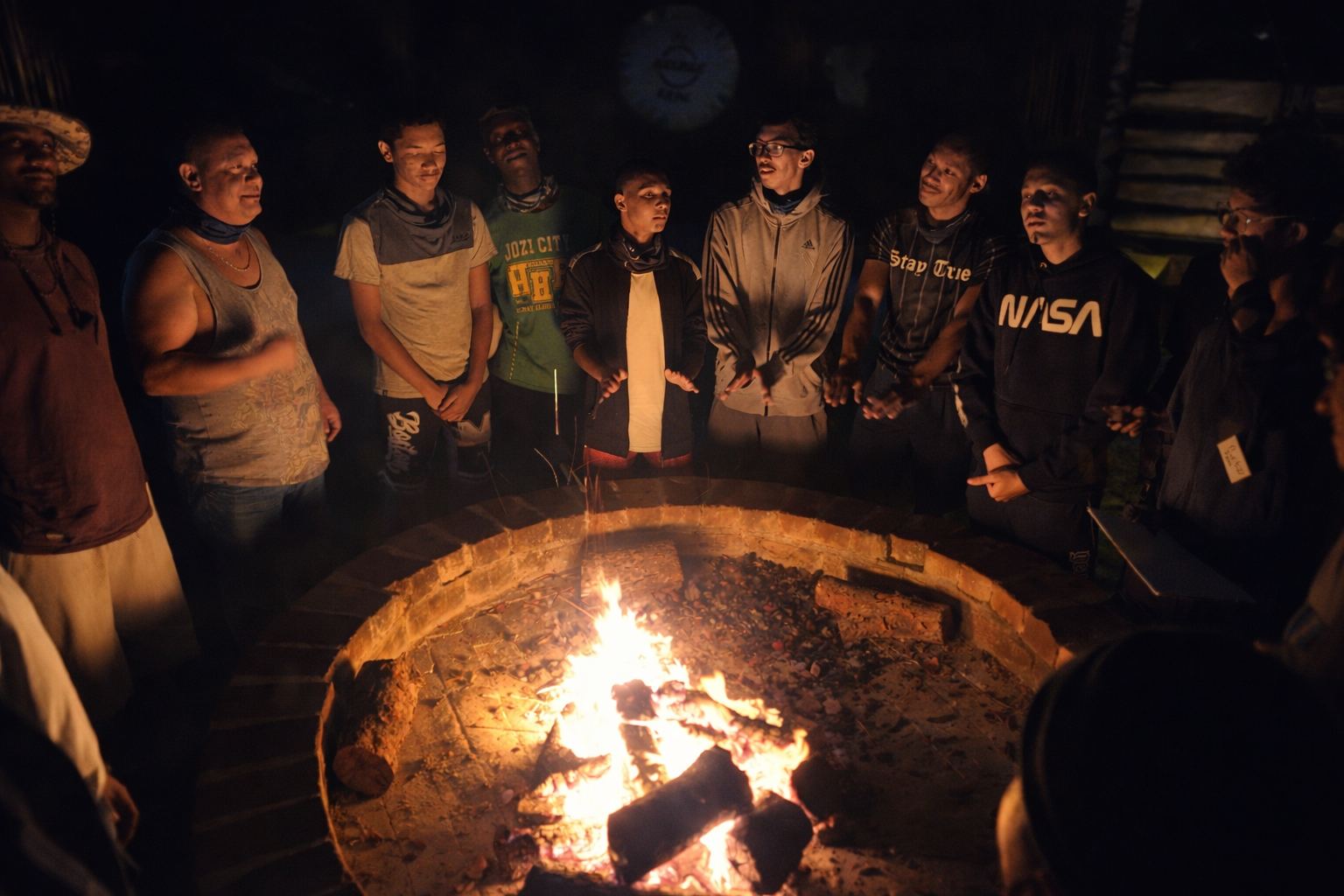
Every boy in this pathway is standing at a crossroads. The question is not whether the pressure is real. It is whether someone shows up before the wrong path becomes the only one he can see.
One of our participants was days away from being recruited into a gang when he joined the pathway. He is now midway through his twelve months. His mentor says the change in him is visible every single week.
In environments where belonging is sought and identity is still being formed, young men face real and constant pressure. The pull to fit in, to be seen as strong, to align with whatever structure offers acceptance, is not a weakness. It is human. Roots to Resilience meets boys exactly where they are.
This pathway does not lecture. It does not shame. It builds, consistently and deliberately, over twelve months. The same mentor, the same standard, the same presence, week after week, until a different kind of strength takes root.
Strength as discipline. Strength as ownership. Strength as the ability to lead without needing to dominate. That is what we are building.
Strength is not the loudest voice in the room.
It is the one that does not need to be.
The Entry Experience
What three days can do
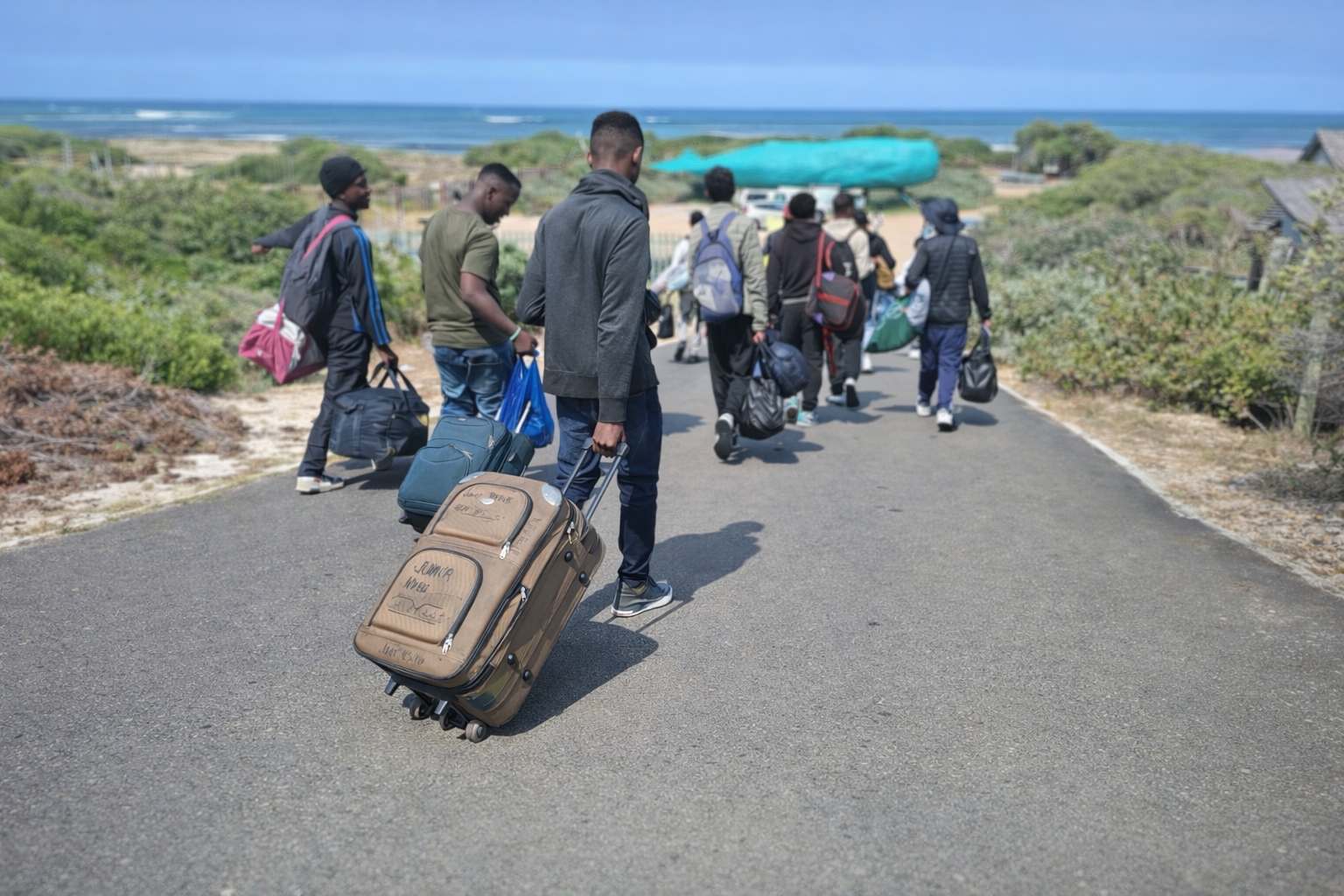
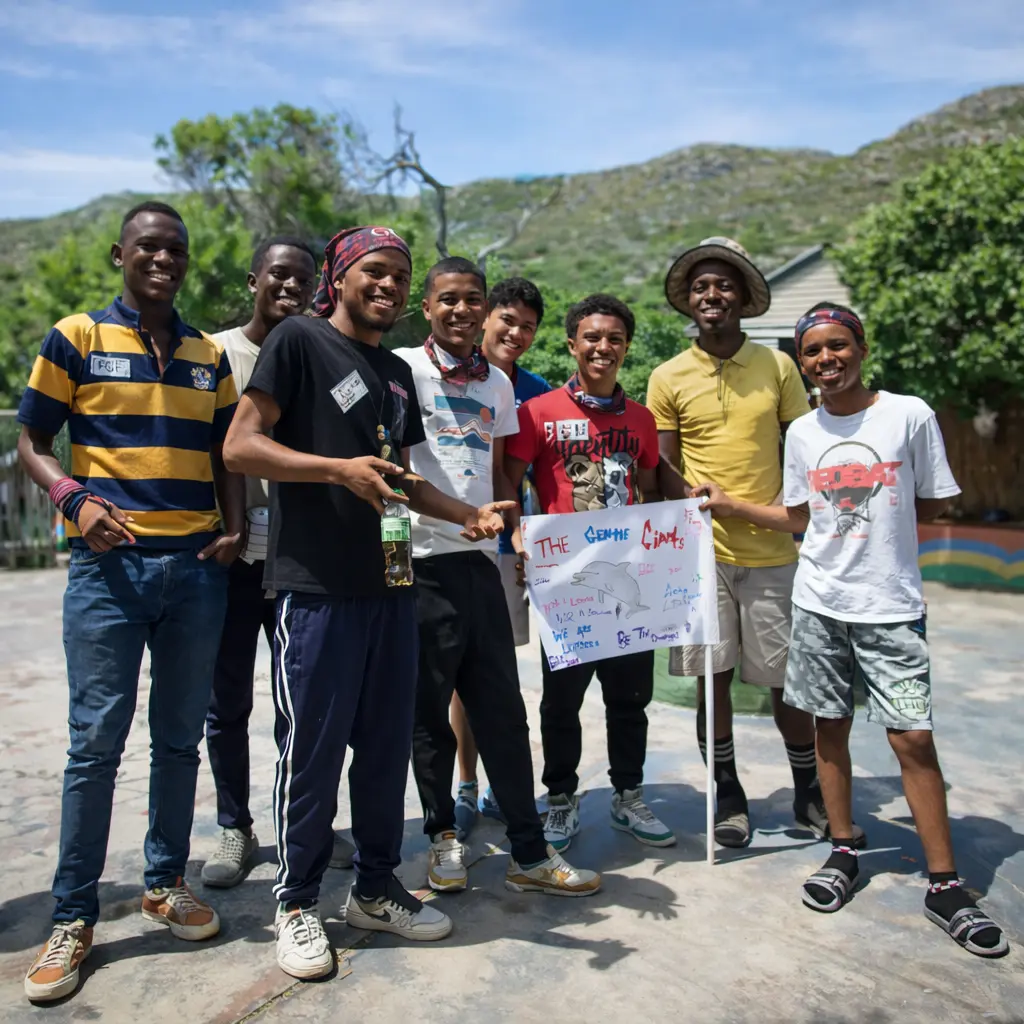
Belonging is not built in grand moments. It is built in the details. The buff around every boy's neck. The water bottle in every hand. The kit bag that says you are part of something. These are not extras. They are the point.
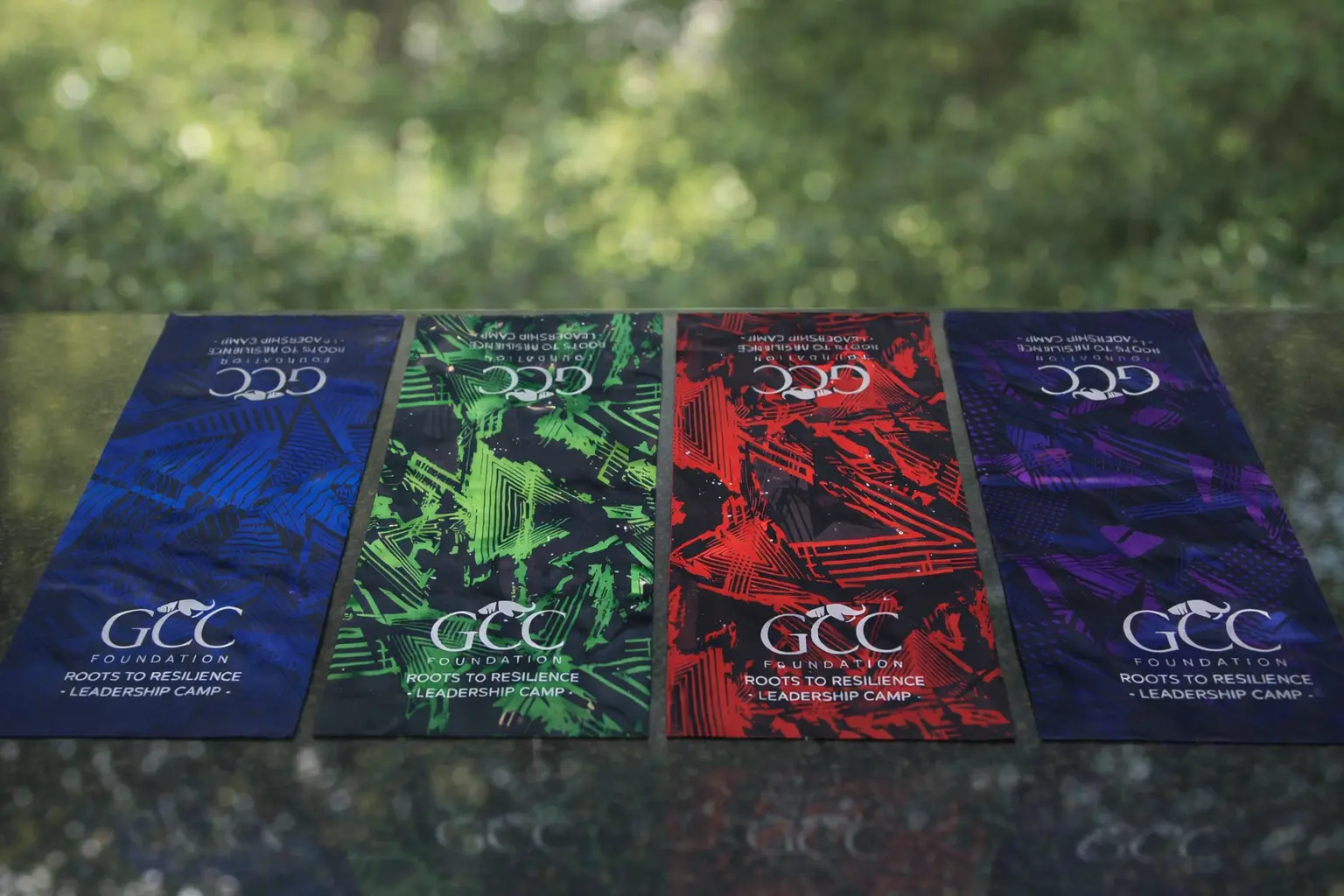



When every boy has the same kit, no one is less than. That is not a small thing. That is the foundation everything else is built on.
The mentors who lead Roots to Resilience are not outsiders who studied these communities from a distance. They grew up here. They know the culture, the pressure and the pull from the inside. That is exactly why these young men trust them.
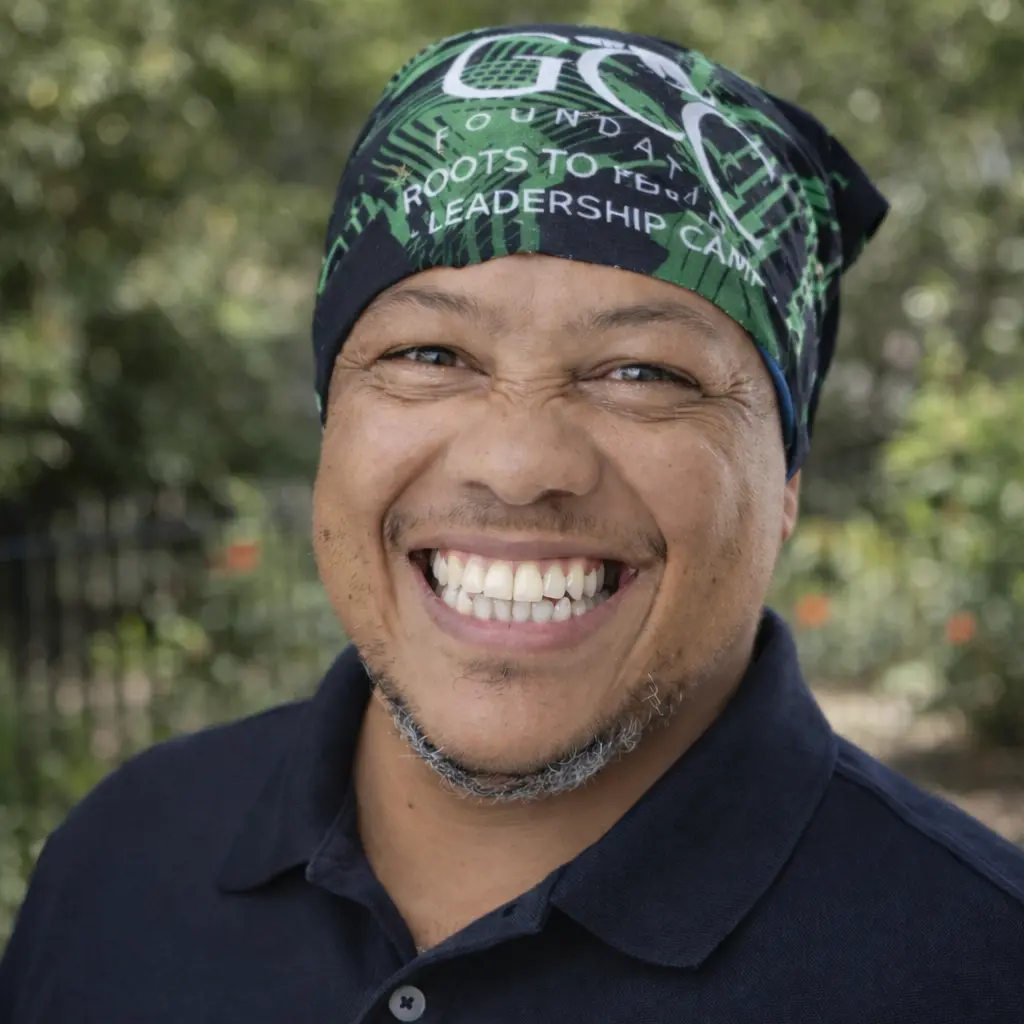
Dimetre leads Roots to Resilience 12 month pathway with the kind of credibility that cannot be taught in a classroom. He understands the world these young men are navigating because he navigated it himself. His role is not to tell boys what to do. It is to show them, by example, that the path they choose now will define who they become. He carries that responsibility with intention and integrity.

Brent brings consistent, grounded presence to the pathway. His investment in these young men is genuine and long-term. He understands that the work of mentorship is not done in single moments but in the steady accumulation of showing up, week after week, holding the standard and believing in what these boys are capable of becoming.
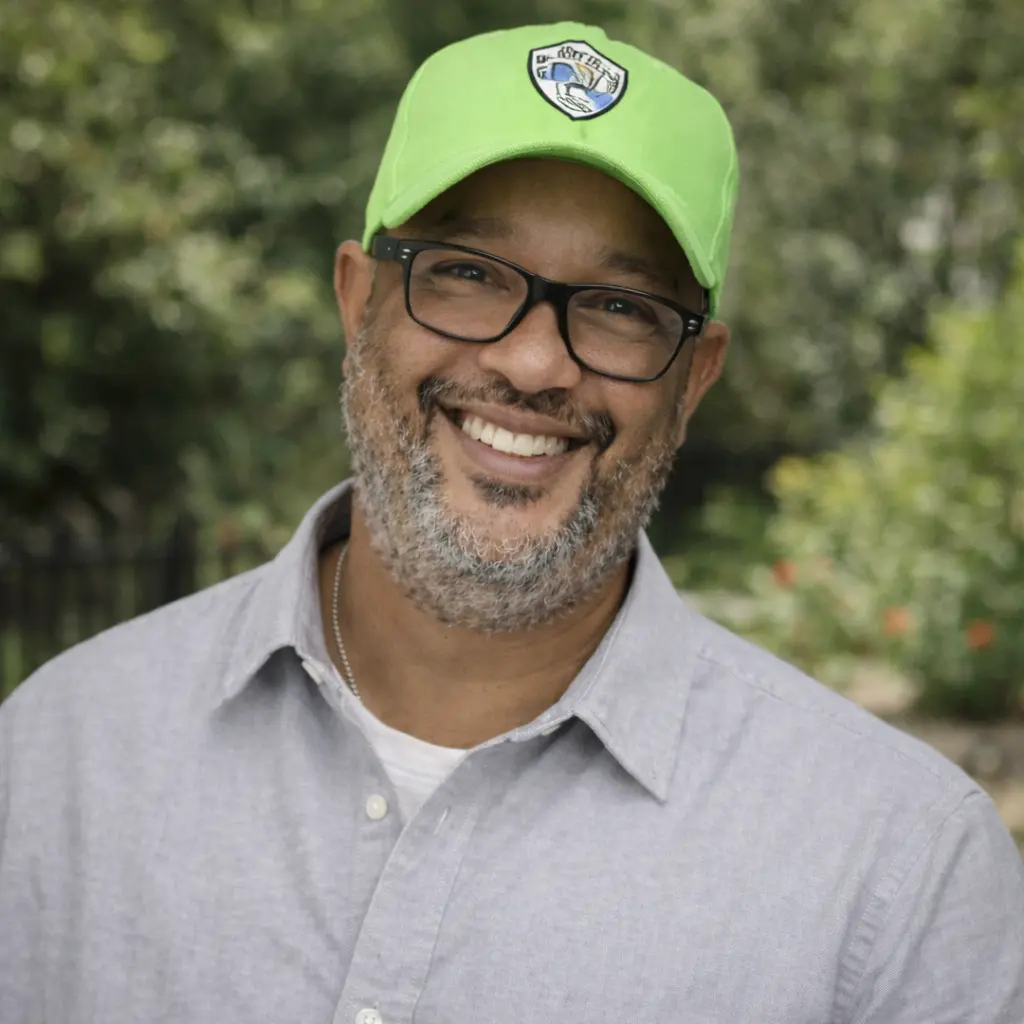
Vasco grew up in Ocean View. He knows this community not from the outside looking in, but from lived experience. For the past three years he has led the Vigis Home of Hope Cadets, working with young people aged 7 to 18, building discipline, structure and a sense of pride in who they are becoming. When Vasco speaks to a boy about what it takes to choose a different direction, it is not theory. It lands because it is real.
Vigis Home of Hope (VHOH) is a community-rooted non-profit based in Ocean View that has spent three years building young leaders through cadets, bible studies, food schemes and structured mentorship. Their work spans children aged 7 to 18. Their cadets have performed at the SA Navy Festival in front of thousands. The community is proud of what they have built. GCC's collaboration with VHOH brings that deep community trust and credibility directly into the Roots to Resilience pathway.
All GCC mentors are vetted, cleared to work with children and operate within a structured safeguarding framework. The integrity of every young person in our care is non-negotiable.
Men don't cry. Well, I did and it's okay to cry. That's what I learnt at the leadership camp. Thanks to the mentors and the team, Brent, Tarryn and all the other staff. I thank you.
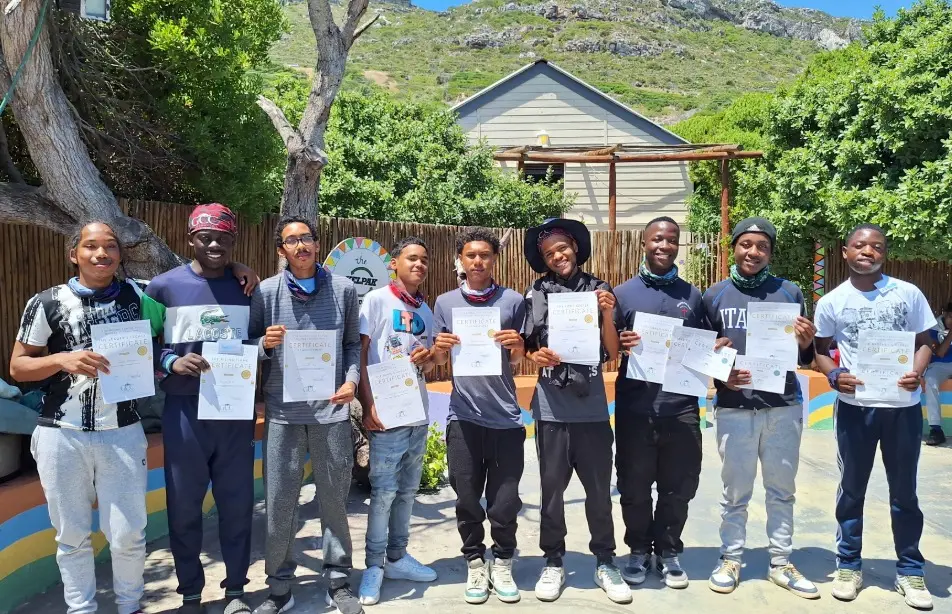
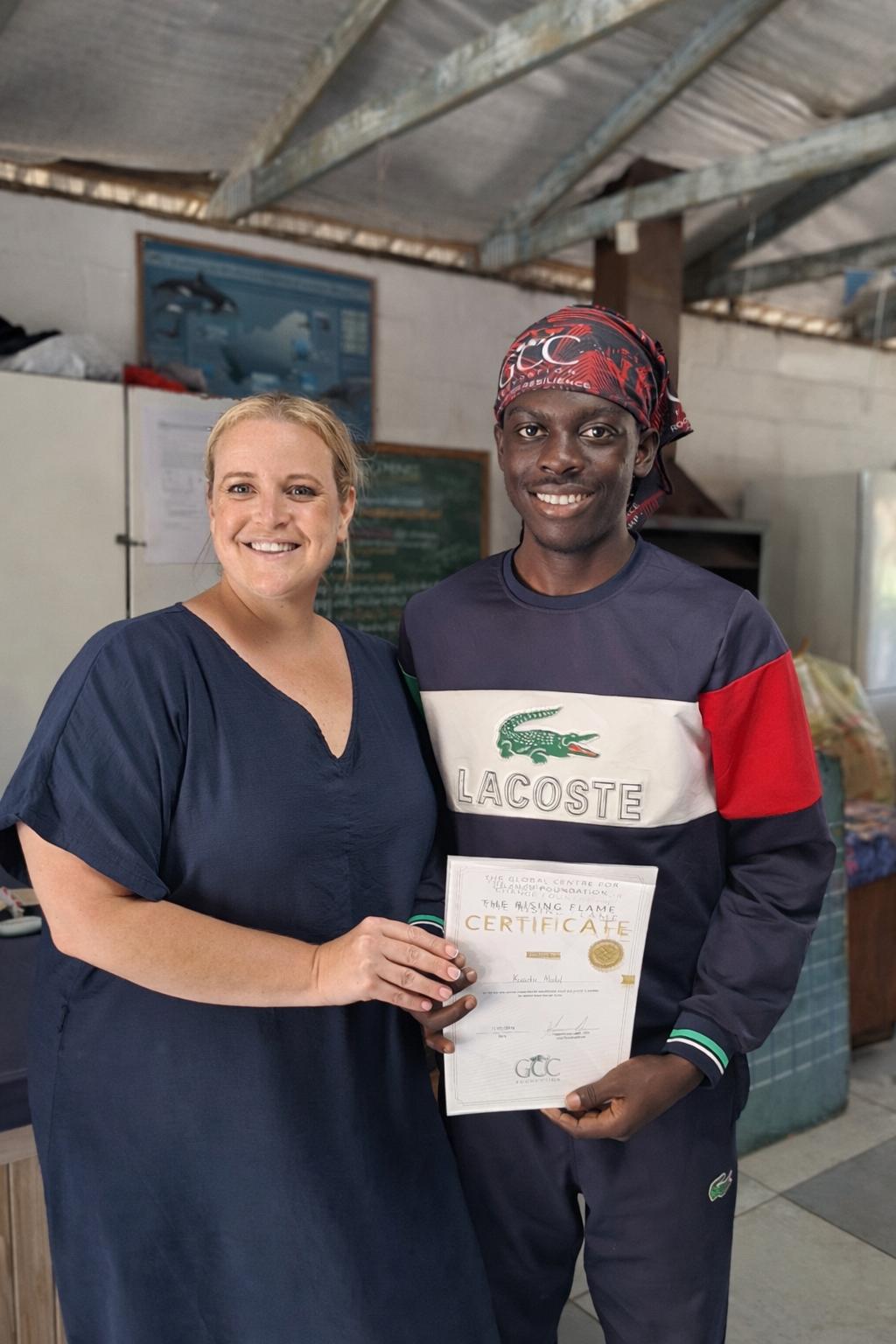
At the end of twelve months, the boys who have completed Roots to Resilience are not simply sent on their way. They are invited back. With the right support and structure, they are trained to become mentors for the next intake.
This is not giving them a job. It is giving them purpose, a role in the community they grew up in and the opportunity to be for the next boy what someone was for them.
"When we told the boys at the end of Year 1 that they could come back as mentors, one of them just lit up. You could see it. He had never been asked to lead anything before. That face said everything."
Every boy in Roots to Resilience is there because someone chose to invest in him. That investment is specific, structured and measurable. Here is what it covers and what it changes.
What your sponsorship provides
Not every contribution needs to fund a full year. Item sponsorship puts something real and tangible in a boy's hands. The buff, the water bottle, the workbook. Small things that carry an outsized message: you belong here, you are valued and you are equipped the same as everyone else.
All sponsorship is directed to a registered South African NPO. GCC operates with full financial governance and structured reporting. Detailed pricing and impact reports are available on request.
Boys in the communities we serve often face pressure to perform adulthood before they are ready — gang culture, absent role models and environments where dominance is mistaken for strength. Roots to Resilience reframes what strength actually looks like: accountability, self-leadership and the ability to stand steady without surrendering to the loudest influence in the room.
Mentors are vetted, trained adults — many of whom have navigated similar environments themselves. Every boy is assigned one dedicated mentor who stays with him throughout the full year. We do not rotate mentors. Consistency is the point.
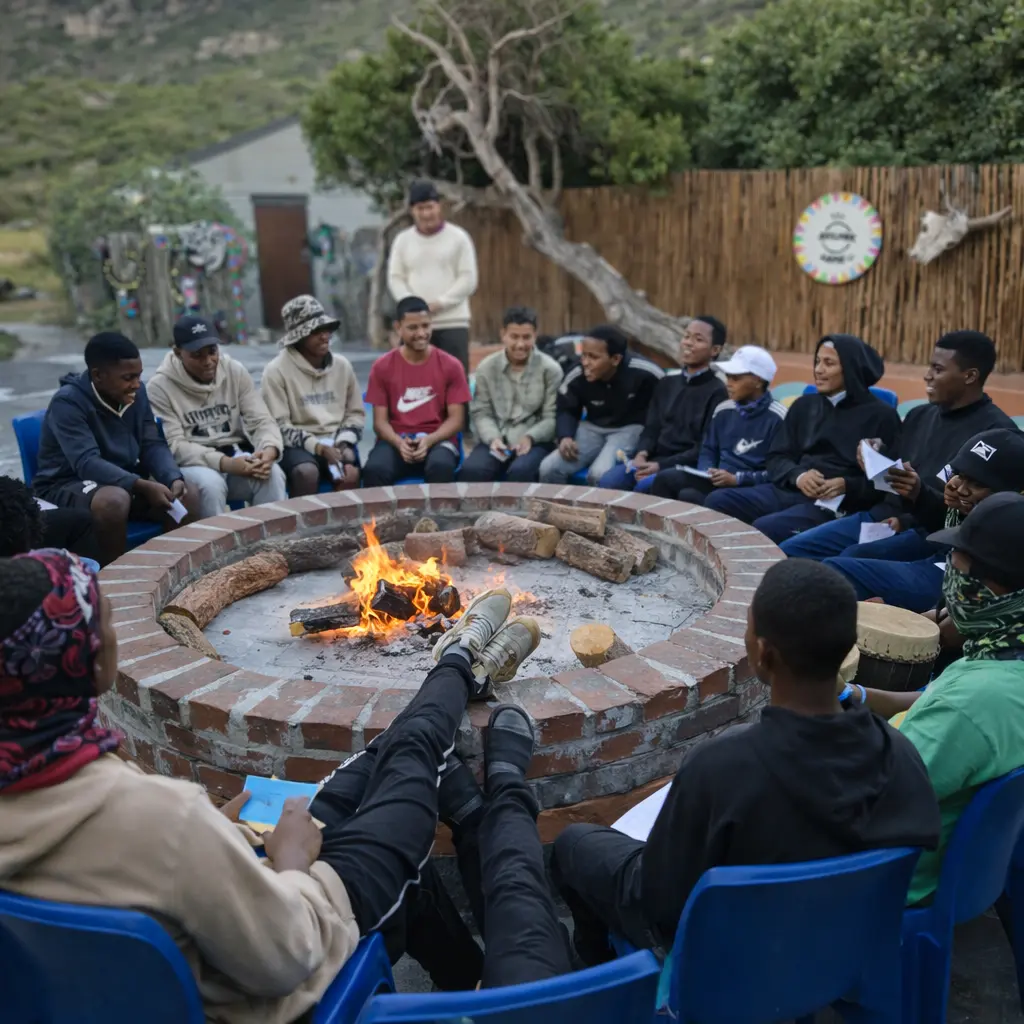
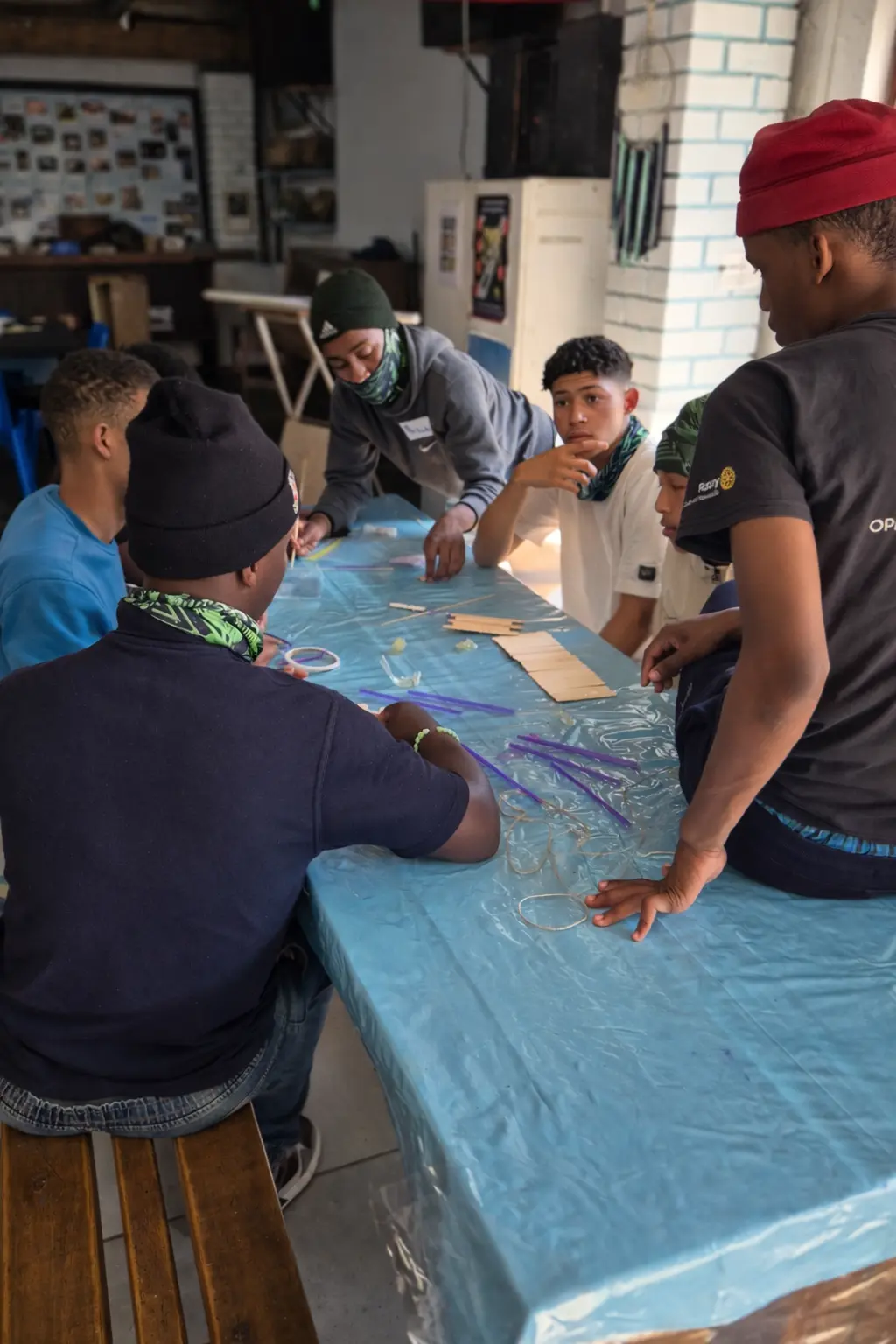
The 3-day camp is a structured, supervised experience — not a holiday. Boys work in teams, take on practical responsibilities and engage in guided reflection sessions. The emphasis is on responsibility, ownership and understanding the impact of their behaviour on others. It is the starting point, not the destination.
Resistance is not unusual. Many of the boys who benefit most from this pathway are the ones who arrive with their guard up. Our mentors are trained to meet boys where they are — not where we wish they were. We do not shame or pressure. We stay.
No. Roots to Resilience is for boys at a decisive stage — not only those who have already made damaging choices. Prevention is always more effective than intervention after the fact. We work with boys who are at risk, showing potential and everything in between.
The camp opens the door. What follows is a full year of structured mentorship — regular sessions, accountability check-ins, career exposure and life skills development. The same mentor who was at camp is the same one walking alongside your son throughout the year.
Boys in the communities we serve often face pressure to perform adulthood before they are ready — gang culture, absent role models and environments where dominance is mistaken for strength. Roots to Resilience reframes what strength actually looks like: accountability, self-leadership and the ability to stand steady without surrendering to the loudest influence in the room.
Mentors are vetted, trained adults — many of whom have navigated similar environments themselves. Every boy is assigned one dedicated mentor who stays with him throughout the full year. We do not rotate mentors. Consistency is the point.
The 3-day camp is a structured, supervised experience — not a holiday. Boys work in teams, take on practical responsibilities and engage in guided reflection sessions. The emphasis is on responsibility, ownership and understanding the impact of their behaviour on others. It is the starting point, not the destination.
Resistance is not unusual. Many of the boys who benefit most from this pathway are the ones who arrive with their guard up. Our mentors are trained to meet boys where they are — not where we wish they were. We do not shame or pressure. We stay.
No. Roots to Resilience is for boys at a decisive stage — not only those who have already made damaging choices. Prevention is always more effective than intervention after the fact. We work with boys who are at risk, showing potential and everything in between.
The camp opens the door. What follows is a full year of structured mentorship — regular sessions, accountability check-ins, career exposure and life skills development. The same mentor who was at camp is the same one walking alongside your son throughout the year.
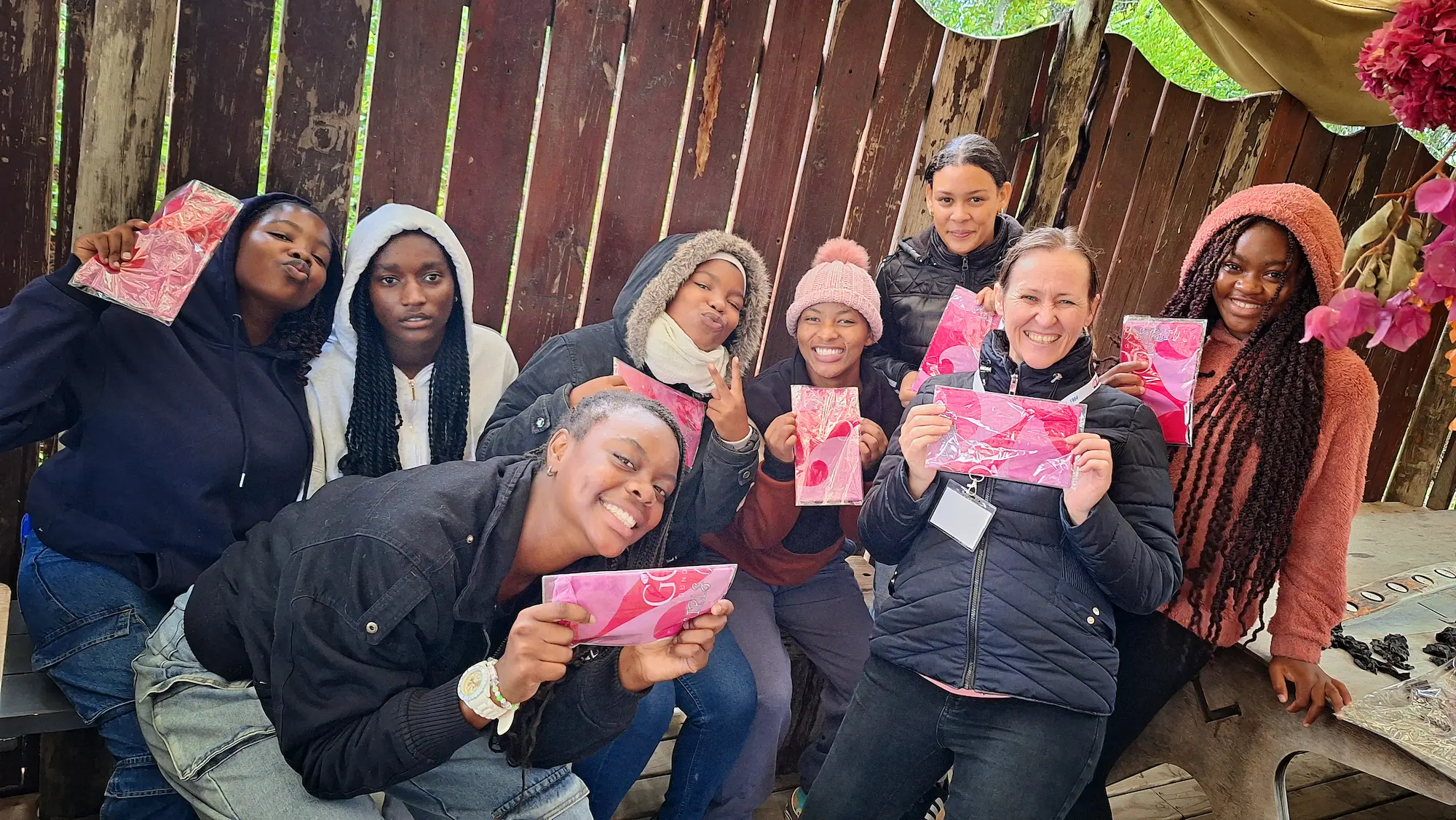
Girls on Fire
The girls' pathway. Building self-respect, clarity and direction during decisive identity-forming years.
Learn more
Youth Mentorship
The full overview of GCC's youth mentorship pathway, the four-stage pipeline and how it fits the ecosystem.
Learn more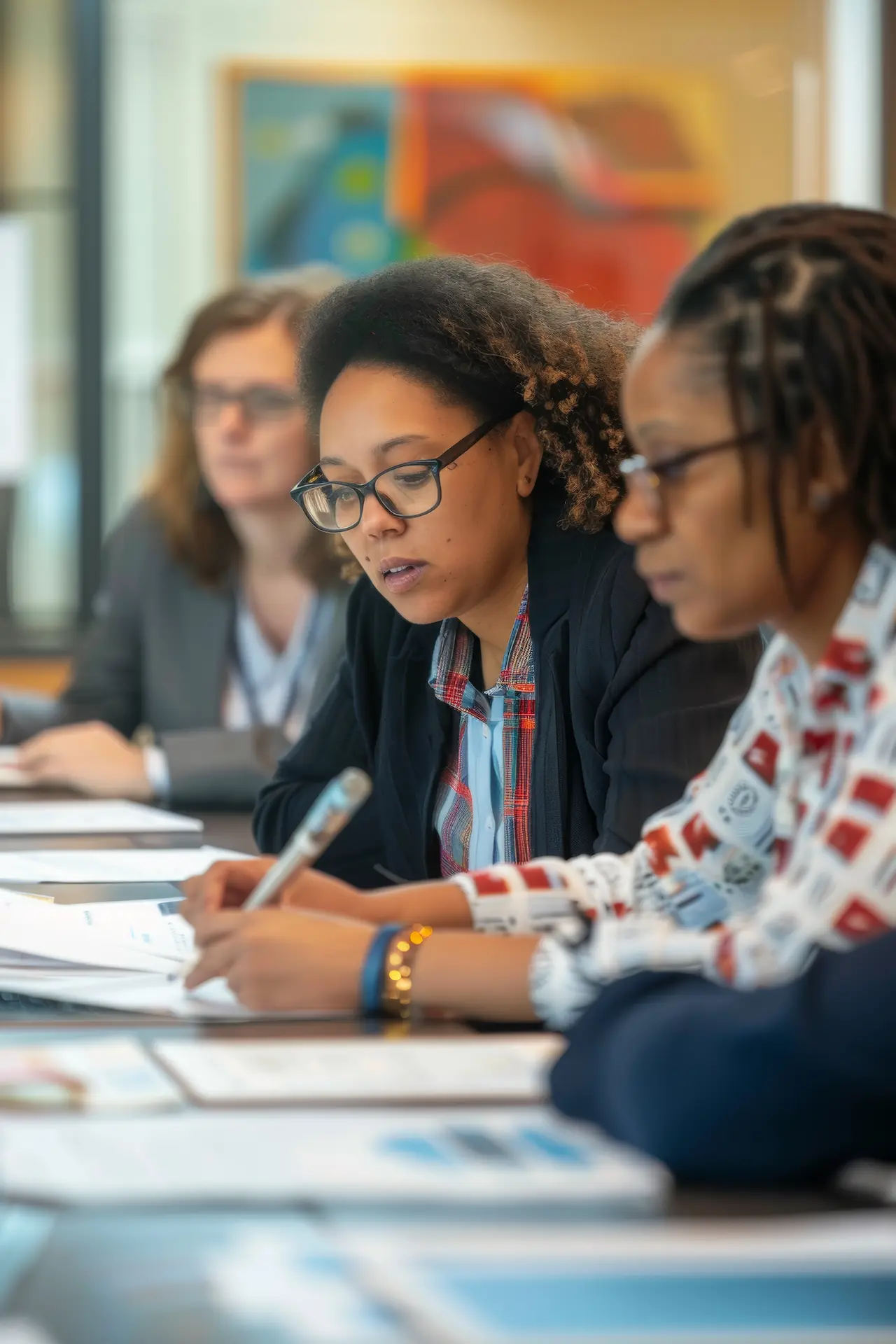
Teacher Development
While mentorship builds direction outside the classroom, teacher training builds stability inside it.
Learn moreSponsor a Young Man
Behind every boy in this pathway
is someone who chose to show up.
You can sponsor a single participant through the full year, fund a camp intake or partner with GCC to bring Roots to Resilience to more schools across the community.