Cape Town, South Africa, 19 January 2026. Schools continue to face overcrowding, learner disengagement and rising behavioural challenges. Hidden learning differences often remain unrecognised, misunderstood or mislabelled. The curriculum is the same across the system. The experience of learning it is not.
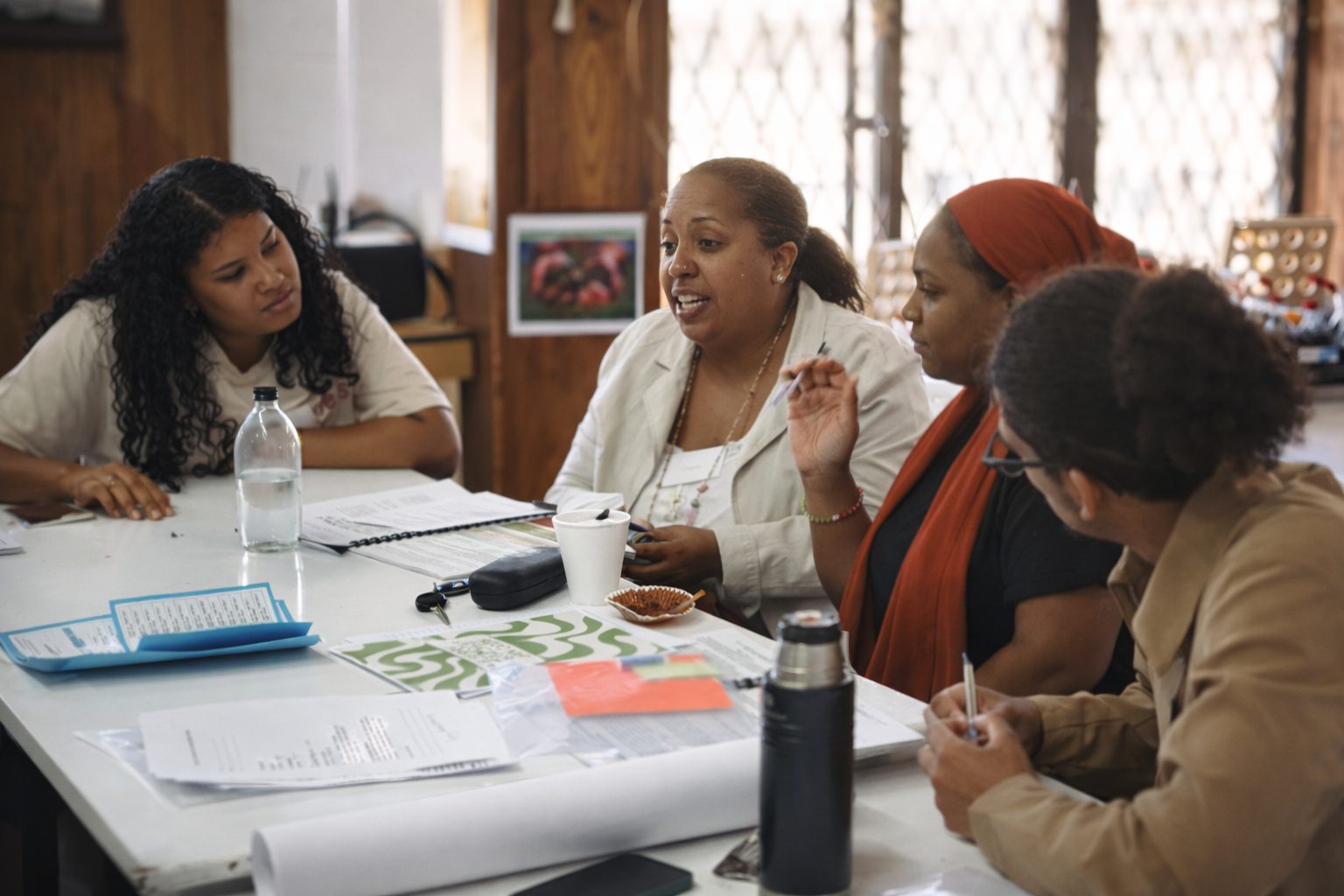
Earlier this month, a group of educators gathered in Cape Town for a two-day teacher training focused on enquiry-based learning and inclusive classroom practice. The training was a collaboration between Educating Outside The Lines Academy and The Global Centre for Change Foundation.
What the training examined
Rather than focusing on content delivery, the workshop examined how teaching methods shape engagement, retention and confidence. The pilot training formed part of a broader rollout to local schools, with Jupiter Street Primary School participating in the initial phase.
Teachers took part in experiential activities that simulated how learning can feel for children with dyslexia, ADHD and other hidden learning differences. Instructions became harder to process. Time felt compressed. Confidence dropped. These were not abstract ideas. They were experiences that left a mark.
What the activities revealed: Capable learners are regularly misunderstood when teaching approaches fail to reflect cognitive diversity. Hidden learning differences show up in behaviour, withdrawal and frustration, not because something is wrong with the child, but because the learning environment was never designed for how their mind works.
Inclusion as a practical responsibility
Inclusion emerged from the training not as an abstract ideal, but as a practical classroom responsibility. One that is already required of teachers every day, regardless of whether they have been equipped for it.
“Too many children are judged using approaches that were never designed for how their minds work.”
Tarryn Hallaby, Founder & CEO, GCC FoundationThe training forms part of a broader effort to support educators working under sustained pressure in complex classroom environments. Through privately funded pathways, GCC Foundation is creating access for teachers from under-resourced communities to participate in training that would otherwise be out of reach.
Why this matters
Inclusive teaching practices reduce mislabelling and unlock potential in classrooms shaped by diverse learning needs. When teaching methods change, learner outcomes change. The research is clear on this. The gap between knowing it and implementing it is where GCC works.
###
About GCC Foundation: The Global Centre for Change Foundation builds structured pathways for progress through mentorship, teacher development and long-term intervention design. Working in under-resourced communities in the Deep South of Cape Town, GCC creates access to training, support and opportunity for young people and educators who need it most.