When I started the Global Centre for Change in late 2024, it was because I was tired of watching our youth being let down over and over again. I knew the statistics. I knew the headlines. I also knew that inside school walls, the real story does not make it into reports.
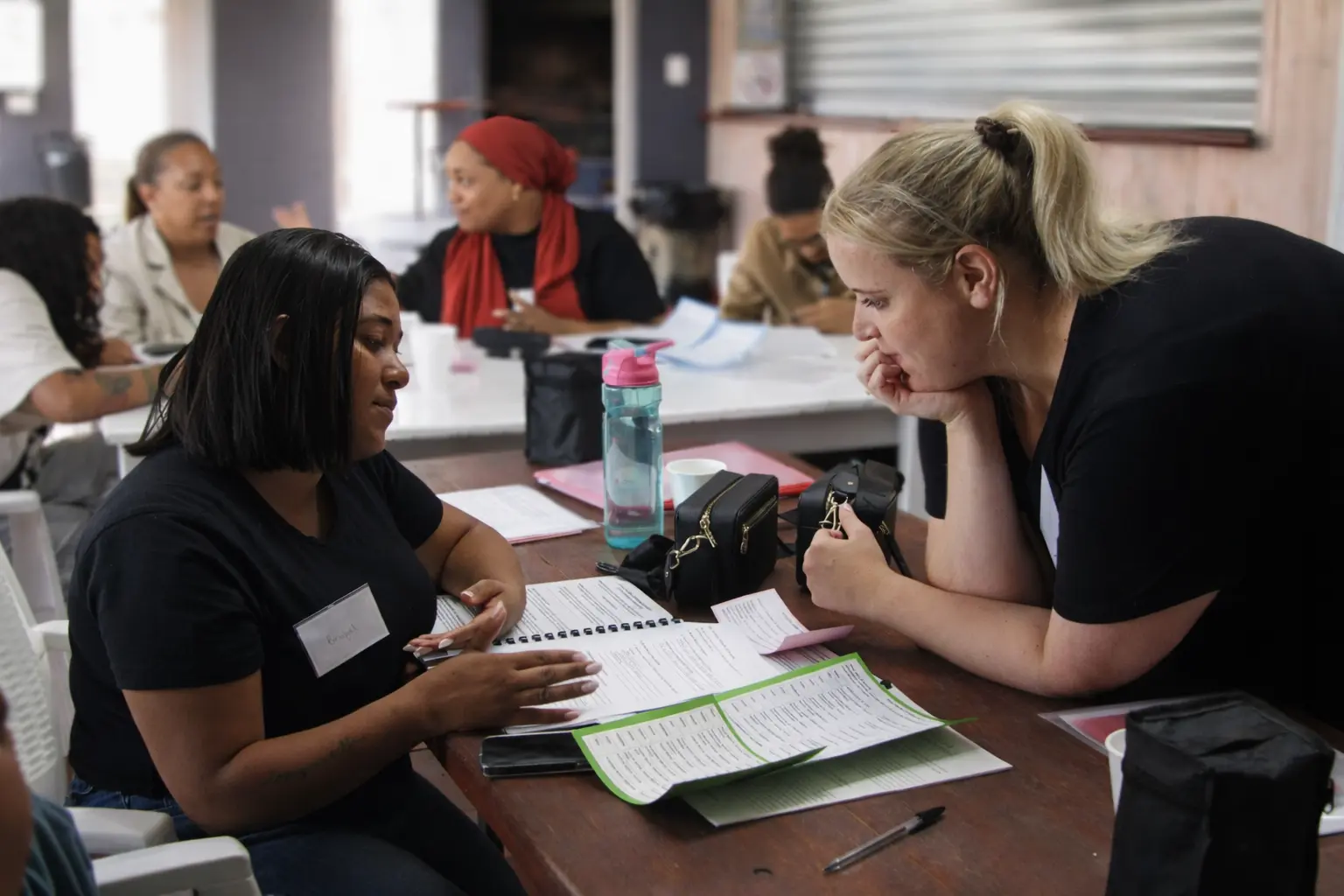
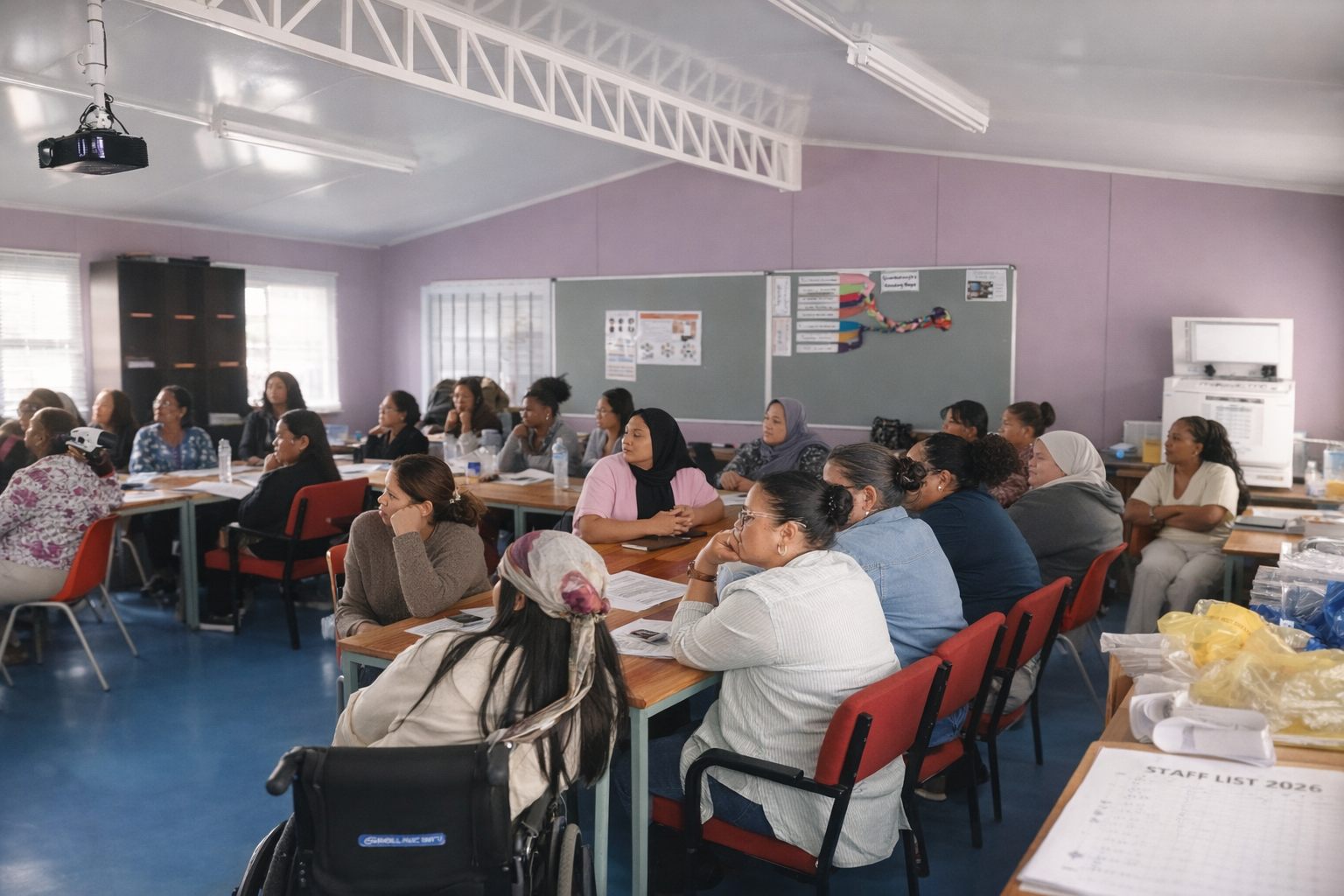
Over the past few months, I have sat with more than 100 teachers across schools in the Deep South of Cape Town.
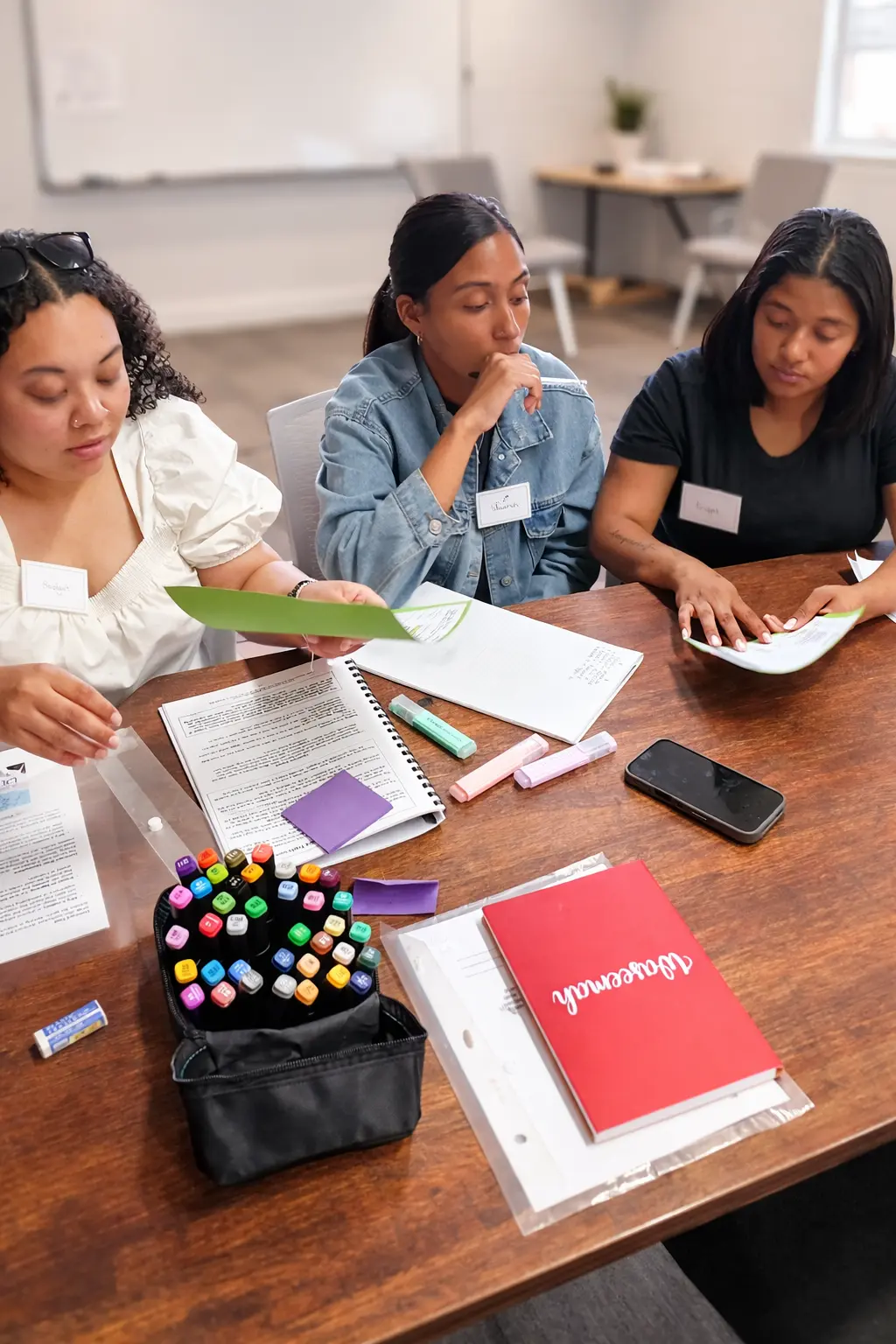
I did not go in to observe classrooms. I went to listen, and I went in to offer something practical: workshops on understanding learning differences, the teenage brain under construction and behaviour under pressure, why rote teaching is failing to deliver the results teachers want, and how to teach within the confinements of a system designed to produce statistics rather than genuine learning.
I have also spent time with more than 50 young people, aged 16 to 18, currently in high school. The untapped potential in those rooms reinforces exactly why GCC was founded. Most of their teachers have never heard them speak, never seen what they are capable of and often know nothing about them beyond the marks on a report.
What I heard from both teachers and learners was consistent. Not similar. Consistent.
The mask of modernisation
On paper, South Africa’s education system looks like it is moving forward. New policies, new frameworks and new legislation like the BELA Act. It is a constant narrative of reform and transformation from the Department of Basic Education. When you sit with the people responsible for making that system work, a different picture emerges.
Class sizes in the schools I visited are sitting between 45 and 70 learners. Resources are minimal. Administrative demands do not ease when the classroom fills up.
On any given day, a high school can have up to 11 teachers absent. Not because they do not care, but because they are exhausted. When you are carrying that kind of load, every single day, something has to give.
What the system is actually built for
We say the system is designed for learning. What I am seeing and hearing is something else.
The system is designed for:
- Confirmation that policies are being implemented
- Control that classrooms are managed and compliant
- Continuation that learners keep moving through the system
When you strip it all back, what is actually being measured is not depth of understanding, meaningful engagement or critical thinking and problem-solving skills. It is movement.
“What is actually being measured is not depth of understanding, meaningful engagement or critical thinking. It is movement.”
Tarryn Hallaby, Founder & CEO, GCC FoundationWhen movement becomes the goal, everything else adjusts around it. As long as there is movement, regardless of the human cost, we can still call it transformation.
The human cost
Teachers are blamed for underperforming. Learners are blamed for bad behaviour, lack of attendance and poor grades. The system itself, however, is placing both under sustained pressure. Teachers speak about:
- Learners entering high school without even the basics of reading or writing
- Not being fully trained to understand learning barriers or how to teach around them
- Being forced to tick boxes to maintain the status quo, even when those boxes have nothing to do with whether a child is actually learning
They adapt. They control the room. They get through the lesson. They keep things moving because that is all the system allows.
Meanwhile, learners with extraordinary potential are managed into silence. Their voices are not heard, their ideas are not explored and their teachers often do not even know what they carry inside them.
What that produces
Over time, this creates a quiet but powerful shift. Learners are no longer developed to their full potential. They are simply managed through the system, and when the system signals that just enough is sufficient to move forward, that becomes the standard. Not because learners are incapable, but because the environment does not demand more or support it.
The questions we are avoiding
If we know the system is collapsing under the weight of its own policies, why are we still adding more? If we know the conditions do not support meaningful learning, why do we continue to measure success as if they do? When did we decide that just enough was acceptable for our children, and how did we become so comfortable watching the bar drop, quietly, steadily, systemically?
Where this leaves us
This is not a conversation about whether teachers are doing enough. From what I have seen and heard, they are carrying far more than they should have to.
This is a conversation about whether the system itself is structured in a way that makes meaningful education possible. Right now, it is not.
GCC Foundation works directly with teachers and young people in the communities that need it most. If this piece resonates with you, whether as an educator, funder or concerned community member, we would like to hear from you. Get in touch.